TMJ Treatments

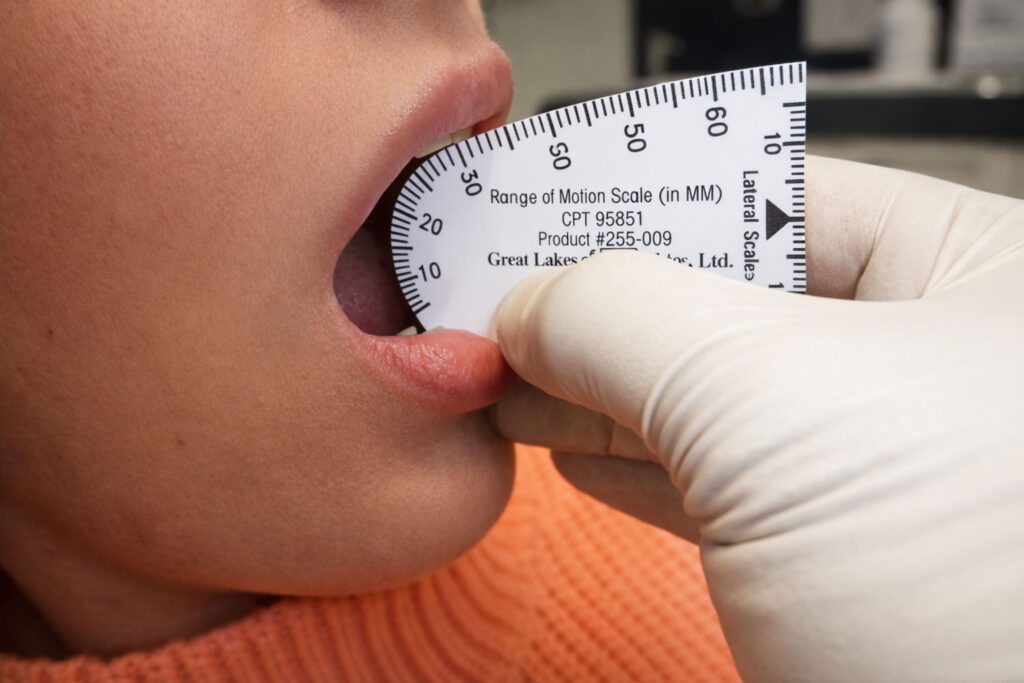
Comprehensive TMJ assessment and diagnosis

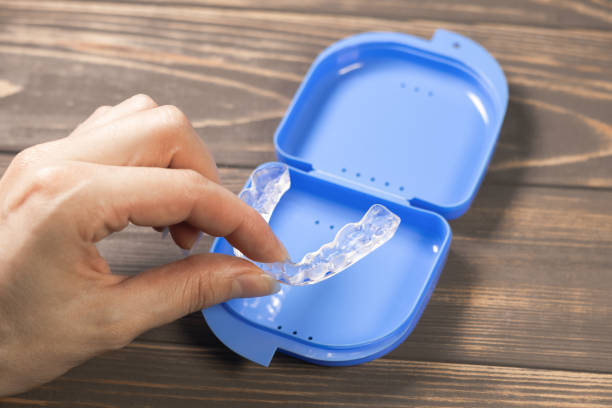
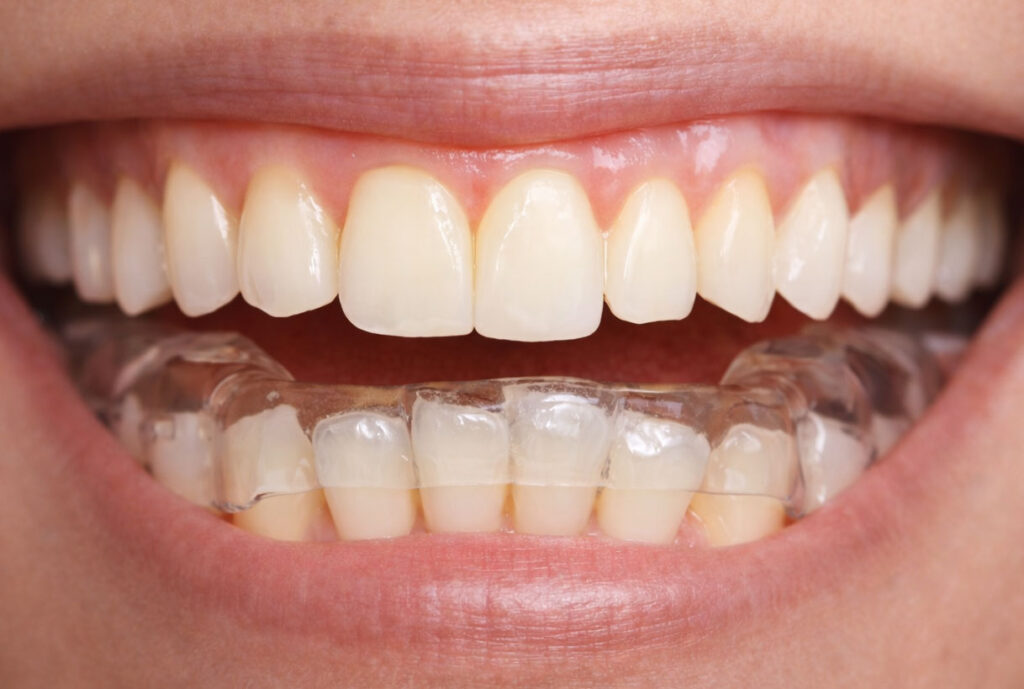
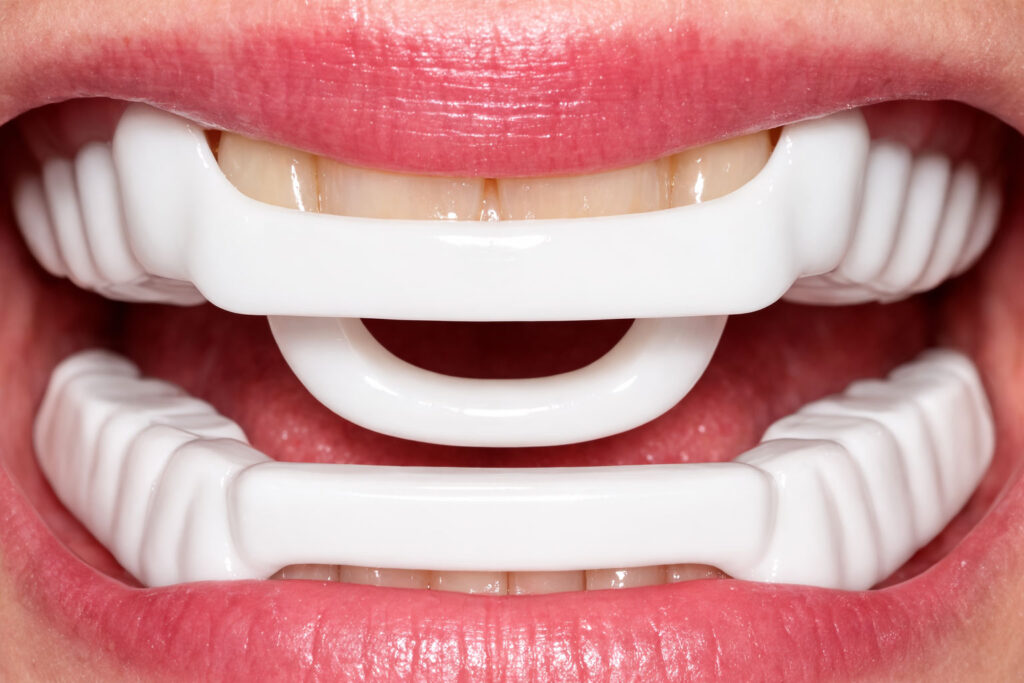
Orthotics and splints are custom-made appliances designed to support how the jaw joints, muscles, and teeth work together. They are commonly used as part of a personalised care plan for patients experiencing jaw pain, muscle tension, clenching or grinding, or symptoms affecting the jaw joint. These appliances help support more balanced tooth contact and can modify how forces are distributed through the jaw joints. They may also reduce muscle strain, improve jaw movement patterns, and protect the teeth during periods of clenching or grinding.

Treatment Overview

What are jaw orthotics and splints?

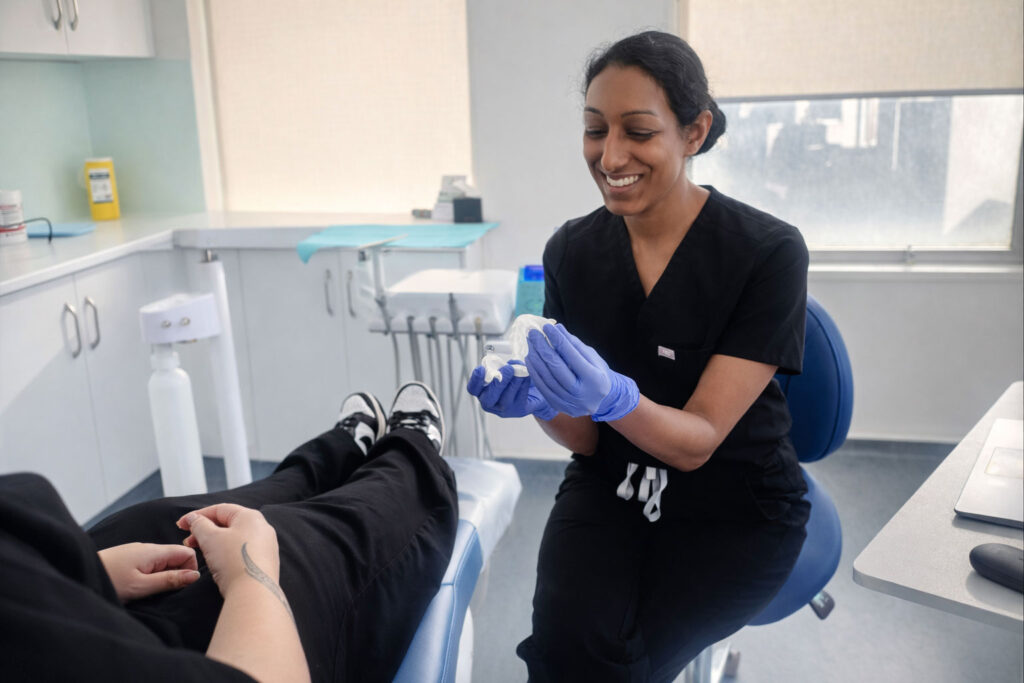
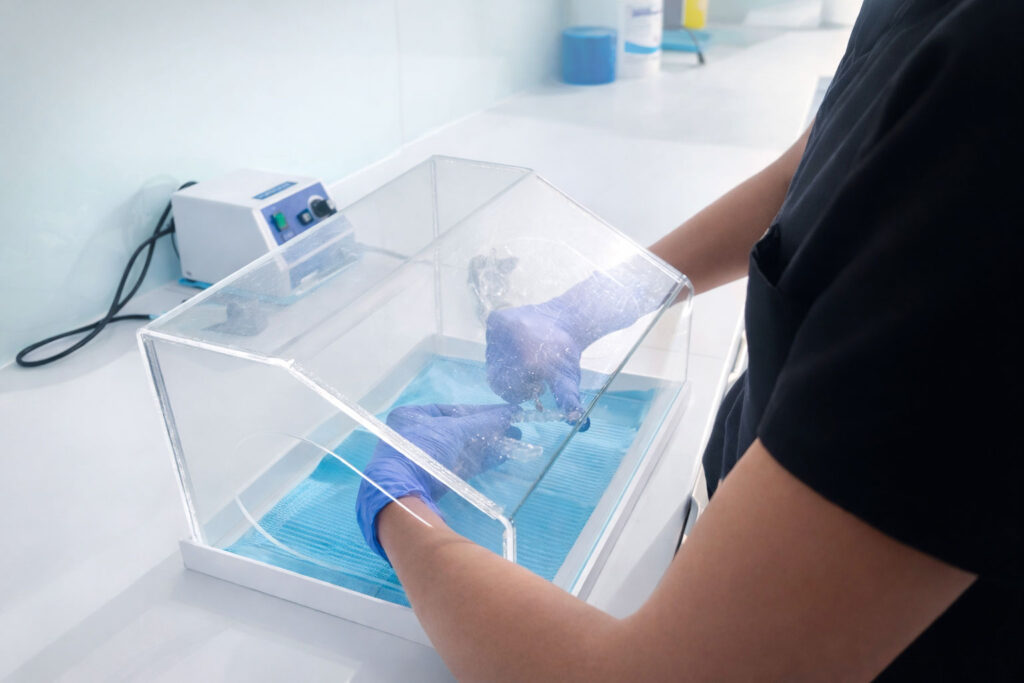
Jaw orthotics, often referred to as splints, are custom-made therapeutic appliances worn over the teeth. They differ from standard night guards, as they are designed to support the jaw joints and muscles rather than simply protect the teeth. A therapeutic orthotic is designed to influence how the jaw system functions by adjusting how the teeth contact and how forces are distributed through the jaw joints and muscles. These appliances are individually designed based on clinical findings and are typically worn for specific periods of time depending on the treatment goals and presenting symptoms.

Orthotics may help support
  • Jaw joint positioning
  • Balanced bite contact
  • Reduced muscle strain
  • Improved jaw movement patterns
  • Protection of teeth during grinding or clenching
Orthotics are used as part of a broader management approach rather than as a standalone solution.

Why They Are Used

When orthotic therapy may be considered

Orthotics may be recommended when assessment identifies factors that are placing strain on the jaw system. These factors may involve the jaw joints, surrounding muscles, or the way bite forces are distributed.

Symptoms that may be associated with jaw strain
  • Persistent jaw pain
  • Muscle fatigue in the jaw or face
  • Jaw clicking with discomfort
  • Headaches linked with jaw tension
  • Teeth grinding or clenching
  • Jaw joint irritation
Not all patients with these symptoms require orthotic therapy, and recommendations are based on individual assessment findings.

Individualised Care

Orthotics are designed for each patient

There is no single type of splint that suits every situation. Orthotics are designed according to each patient’s jaw function and the factors contributing to their symptoms. Several aspects of jaw mechanics may be considered when designing an appliance.
Design considerations may include
  • Jaw joint position
  • Muscle activity patterns
  • Bite relationships between the teeth
  • Patterns of clenching or grinding
  • Treatment goals within the overall care plan
Different appliance designs are used for different clinical situations.

Part of a Care Plan

Orthotic therapy is usually one part of treatment

For many patients, orthotics are one component of a broader management approach. Jaw symptoms often develop from a combination of mechanical, muscular, and functional factors. Because of this, treatment plans frequently involve several strategies working together.

Care plans may also involve
  • Guidance on jaw movement and habits
  • Strategies to support muscle recovery
  • Bite and jaw loading adjustments
  • Sleep and airway considerations where relevant
  • Collaboration with other health professionals
Care plans are typically introduced in stages and adjusted over time as jaw function changes.

Understanding what is contributing to your symptoms

Because jaw symptoms can have several contributing factors, treatment decisions are based on clinical assessment rather than symptoms alone. A detailed evaluation helps determine whether orthotic therapy may be appropriate and how it might fit within a broader care plan.

Orthotic therapy is one of several conservative treatment options used in the management of temporomandibular disorders.

Monitoring Treatment

Review and adjustment

Orthotic therapy is usually monitored over time to ensure the appliance continues to support the patient’s treatment goals. Regular reviews allow clinicians to observe how the jaw system responds, make adjustments where needed, and help ensure that symptoms continue to move in the right direction.
Reviews may involve
  • Monitoring symptom changes
  • Assessing jaw movement and comfort
  • Adjusting the appliance if required
  • Reviewing the broader care plan

Regular reviews also help identify early signs of strain or relapse, allowing treatment to be adjusted so that progress is maintained.
This process helps ensure that treatment continues to align with the patient’s needs as symptoms and jaw function change.

When It May Help

Who may benefit from orthotic therapy?

Orthotics may be considered for patients experiencing ongoing jaw-related symptoms where strain affecting the jaw system may be contributing to symptoms.
This may include people who experience:
  • Persistent jaw pain
  • Frequent headaches associated with jaw tension
  • Jaw clicking or joint irritation
  • Teeth grinding or clenching
  • Fatigue in the jaw muscles
A detailed assessment helps determine whether orthotic therapy may be appropriate as part of a personalised care plan.

Related Symptoms

Explore symptoms related to jaw strain

Jaw symptoms can appear in different ways depending on which parts of the jaw system are affected.
Snoring and sleep apnoea support
Ear symptoms related to TMJ
Facial pain and tightness
Clenching and grinding (bruxism)
Headaches and TMD
Chronic jaw, face and neck pain
Jaw clicking, locking and restricted opening
TMJ disorders and jaw pain

Considering assessment for ongoing jaw pain?

Persistent jaw, facial, or neck pain can sometimes reflect underlying strain affecting the jaw system. A detailed evaluation can help clarify what may be contributing and what options for management may be appropriate.

When to Seek Advice

When assessment may be helpful

It may be helpful to seek assessment if symptoms:
  • persist for several weeks
  • return frequently
  • interfere with eating or speaking
  • occur alongside headaches or neck pain
  • involve jaw locking or restricted opening
For many patients, understanding what may be contributing to symptoms provides useful clarity and direction.

OTHER TMJ TREATMENTS

Learn about TMJ treatment approaches

Comprehensive TMJ assessment and diagnosis
Allied health collaboration
Orthotics and splint therapy
Muscle relaxant injections
Low-level laser therapy
Targeted Therapeutic Treatments
Sleep-related treatment support
Lifestyle and contributing factor guidance

Our approach to TMJ care

Whole-body care guided by diagnosis

TMJ symptoms rarely come from the jaw alone. They can involve joint mechanics, muscle tension, bite function, posture, breathing, and sleep. At TMJ Centre Melbourne, care begins with understanding why symptoms are occurring. Treatment decisions follow diagnosis, not symptom labels. Care plans are personalised and often combine approaches, with progress reviewed and adjusted over time.

Diagnosis first
Treatment decisions follow assessment findings
Whole-body assessment
Jaw function is considered alongside posture, breathing and sleep
Multidisciplinary care
Dental and musculoskeletal expertise where appropriate
Staged treatment
Care plans are reviewed and adjusted over time

Patient Education

Orthotics and Temporomandibular Disorders

Orthotics are commonly used in the management of conditions affecting the temporomandibular joints and surrounding muscles. These conditions are often grouped under the term temporomandibular disorders (TMD).

Orthotic therapy is designed to influence how forces are distributed through the jaw system, which can help support joint and muscle function as part of a broader care plan.
Because TMJ symptoms can arise from several contributing factors, treatment decisions are guided by clinical assessment.

Our patient guides explore topics such as jaw pain, teeth grinding, headaches, sleep-related jaw activity, and the role of the jaw joints in head and neck function.