TMJ Symptoms

Chronic jaw, face and neck pain

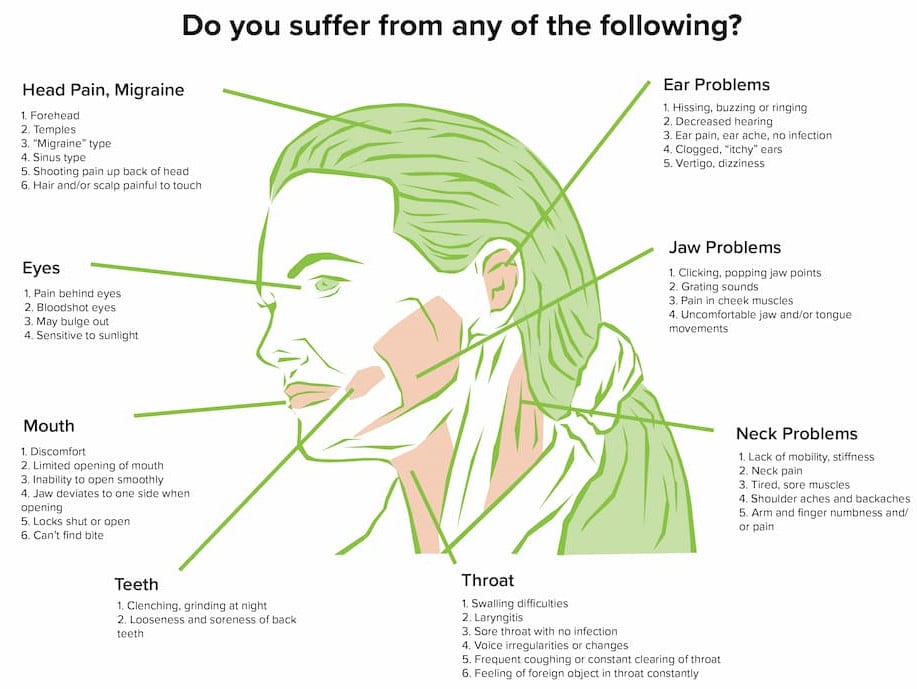
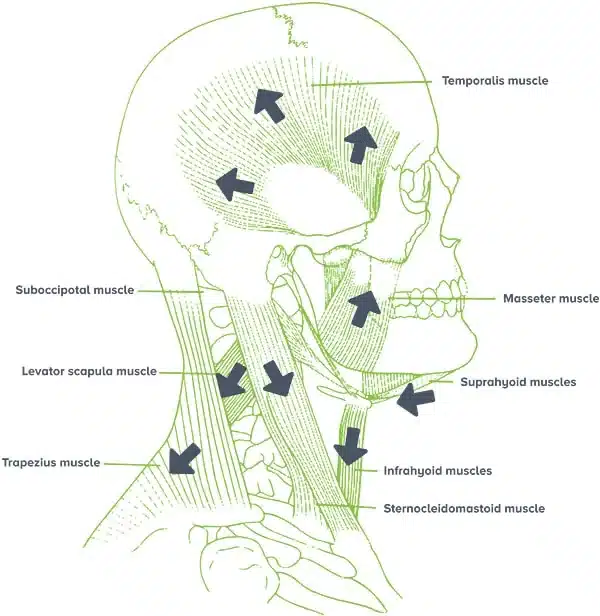
Pain in the jaw, face, and neck often occurs together because these regions share closely connected joints, muscles, and nerves. As a result, symptoms may move between areas or present alongside headaches, ear symptoms, or muscle tension. Identifying these patterns can help clarify which structures may be contributing to the pain

Understanding Jaw Pain

When jaw, face, or neck pain becomes ongoing

Jaw, neck, and facial pain may develop gradually or begin after a specific event such as an injury, dental treatment, or periods of increased stress. For some people the discomfort settles within a short time. For others, symptoms persist or return over time and can begin to affect daily life.
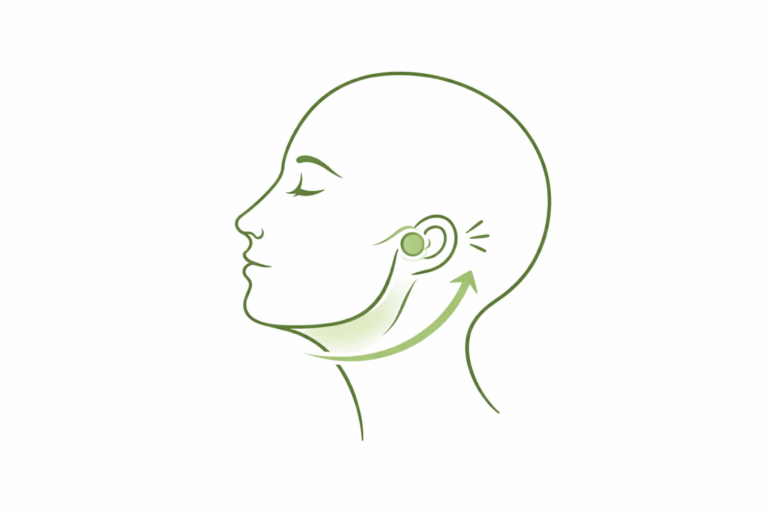
Many people notice discomfort that seems to move between the jaw, temples, ears, or neck. Although this can feel confusing, it is often related to how the jaw joints, muscles, and surrounding structures interact.
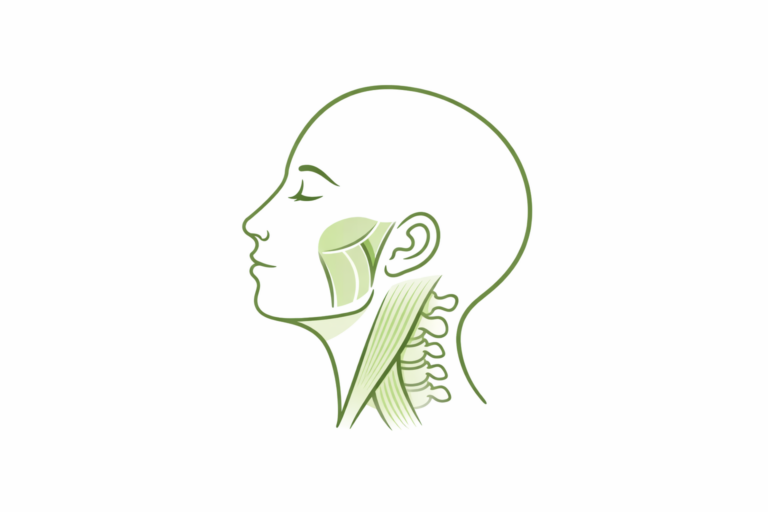
The jaw joints and chewing muscles are closely connected with structures in the head and neck. Because of this, symptoms originating in one area may sometimes be felt in others.

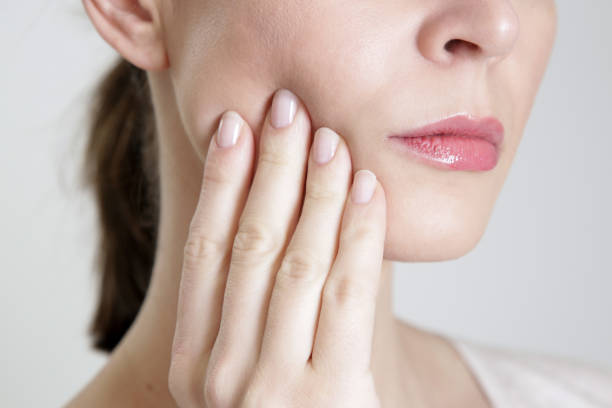
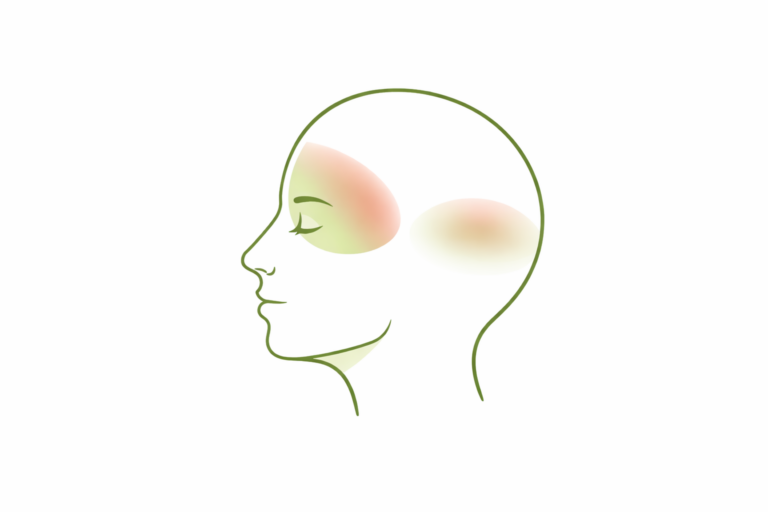
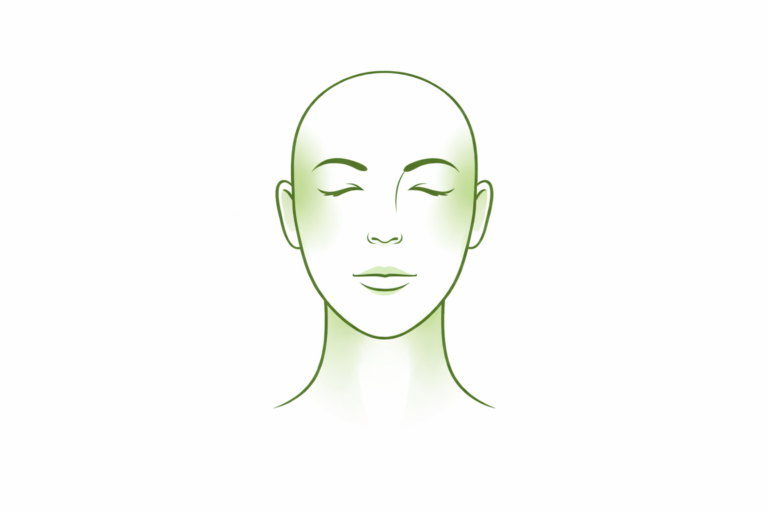
Areas where pain may be felt
  • Around the jaw joints
  • In the cheeks or temples
  • In front of the ears
  • Along the sides of the face
  • In the neck or base of the skull

Recognising Symptoms

Jaw pain can feel different for everyone

People describe chronic jaw or facial pain in different ways. For some it feels like a persistent ache. For others the discomfort appears as sharp pain, pressure, or muscle fatigue.

Patients commonly describe
  • Persistent aching or soreness
  • Sharp or stabbing pain
  • Pressure around the temples or jaw joints
  • Tight or burning sensations in the jaw muscles
  • Fatigue when talking or chewing

Some people notice symptoms mainly when using the jaw. Others experience discomfort even when the jaw is resting. The location of pain does not always reflect where the underlying strain or irritation is occurring.

Connected Symptoms

Jaw pain often appears with other symptoms

Many people experiencing chronic jaw or facial pain notice other symptoms developing at the same time. Because the jaw joints, muscles, and nerves work as a connected system, changes in one area can influence nearby structures.

Symptoms that may occur alongside jaw pain
  • Jaw clicking or popping
  • Stiffness when opening the mouth
  • Headaches or pressure in the temples
  • Neck tension or discomfort
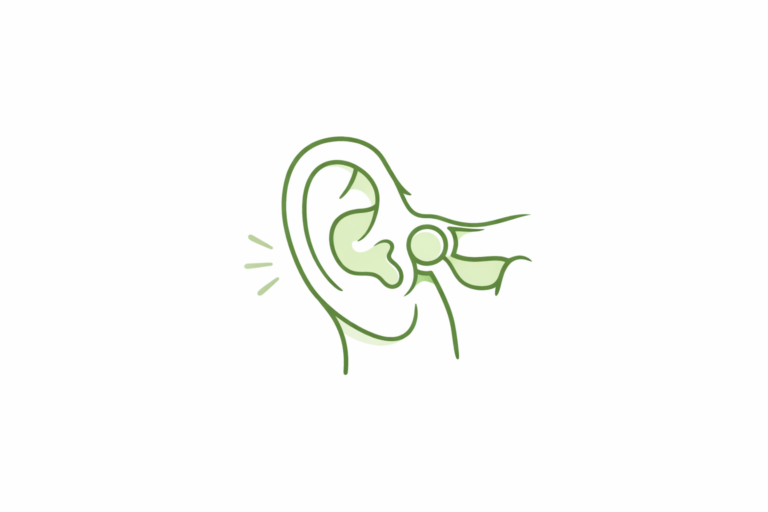
  • Ear fullness or ear pain
  • Facial muscle fatigue
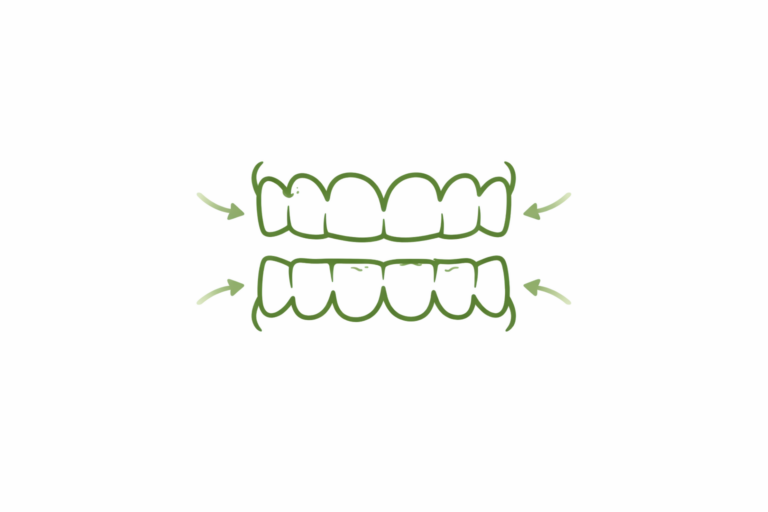
  • Teeth clenching or grinding
Many people experiencing chronic jaw or facial pain notice other symptoms developing at the same time. Because the jaw joints, muscles, and nerves work as a connected system, changes in one area can influence nearby structures.

Experiencing more than one symptom?

Many people experiencing jaw pain also notice changes in jaw movement, headaches, or muscle tension. Exploring the full pattern of symptoms can help provide useful context.

Symptom Patterns

Symptoms can change from day to day

Jaw-related symptoms rarely remain exactly the same. Many patients describe periods where symptoms improve, followed by times when discomfort becomes more noticeable again. This fluctuation can feel frustrating, particularly when symptoms seem to return without a clear reason.

Changes in symptoms are often influenced by everyday factors such as:
  • stress or fatigue
  • prolonged talking or jaw use
  • chewing tougher foods
  • sleep quality
  • physical tension in the head and neck
Fluctuating symptoms are common and do not necessarily indicate that the condition is worsening.

Clinical Insight

A symptom does not always explain the cause

Pain in the jaw, face, or neck can arise from several different factors. These may involve the jaw joints, surrounding muscles, bite mechanics, or patterns of jaw activity during sleep and waking hours. In many cases, more than one factor contributes to the symptoms a person experiences. Because of this, the name of a symptom does not always explain what is driving it. Understanding the underlying contributors usually requires a structured clinical assessment.

How We Assess

Understanding how the jaw system is functioning

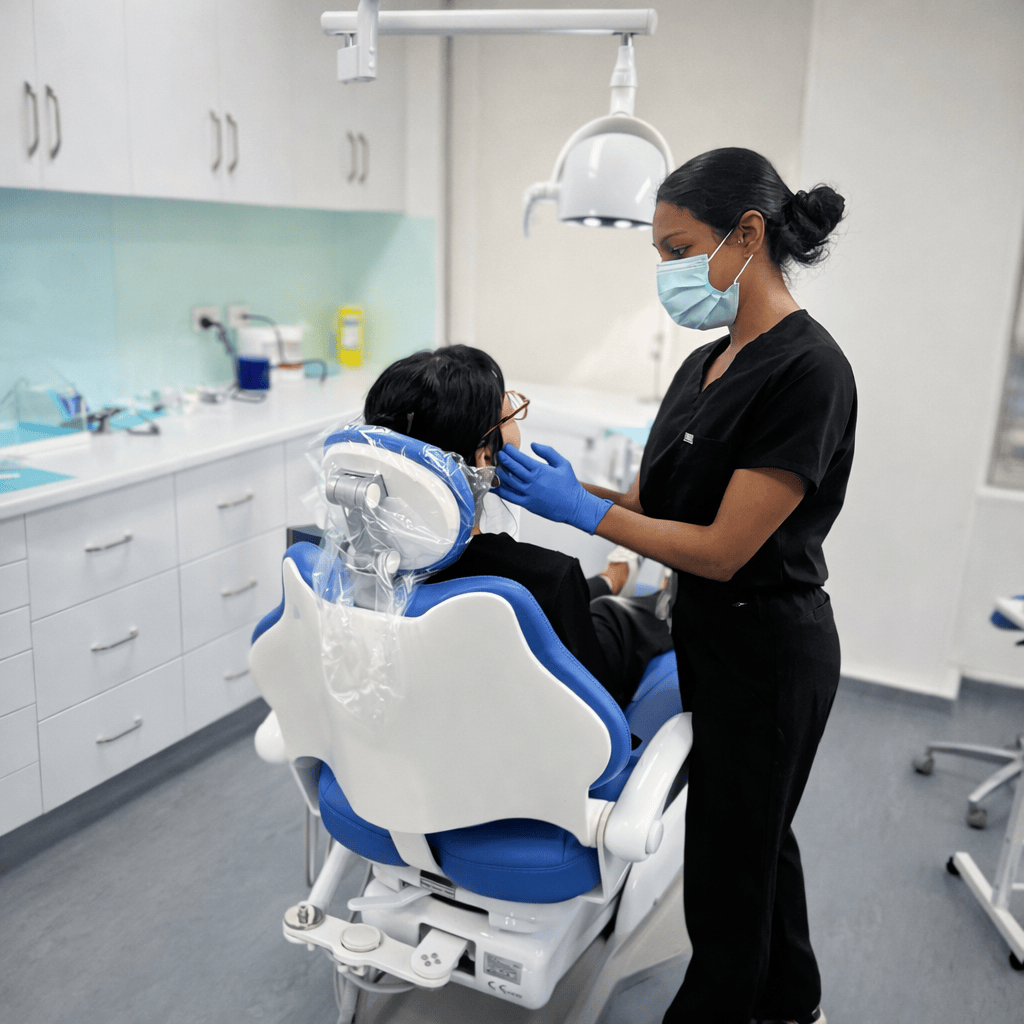
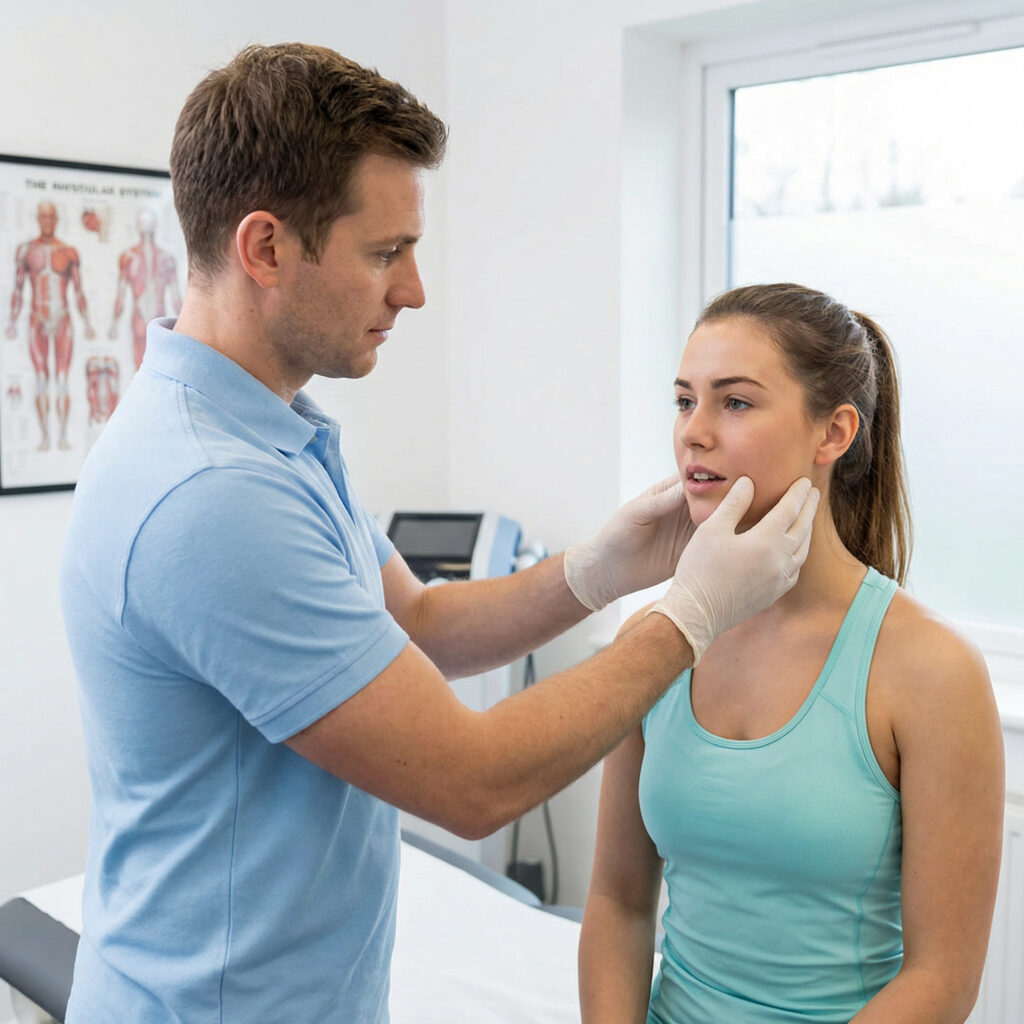
Assessment focuses on understanding how the jaw joints, muscles, and surrounding structures are functioning, and what factors may be contributing to symptoms. The aim is not simply to label a symptom, but to identify patterns that may be affecting the jaw system and influencing pain or dysfunction. Many patients seek assessment after trying other treatments without lasting improvement.

A clinical evaluation may include:
  • Discussion of symptoms and medical history
  • Assessment of jaw movement and joint function
  • Evaluation of bite relationships and loading patterns
  • Consideration of contributing factors, such as posture, breathing patterns, or clenching habits
  • Imaging where appropriate

Together, these findings help build a clearer picture of how the jaw system is functioning and which treatment approaches may be most appropriate.

Care Planning

Treatment guided by the underlying factors

Management of jaw-related symptoms is guided by the findings of assessment rather than the symptom name alone. Care plans are personalised and focus on addressing the factors that may be contributing to joint or muscle strain.

Care approaches may involve
  • orthotic or splint therapy
  • strategies to support muscle and joint function
  • bite and loading adjustments
  • guidance on jaw loading and habits
  • collaboration with other health professionals

Care plans are typically introduced in stages and reviewed over time as symptoms and jaw function change.

Treatment Options

Learn about TMJ treatment approaches

Comprehensive TMJ assessment and diagnosis
Allied health collaboration
Orthotics and splint therapy
Muscle relaxant injections
Low-level laser therapy
Targeted Therapeutic Treatments
Sleep-related treatment support
Lifestyle and contributing factor guidance

Our approach to TMJ care

Whole-body care guided by diagnosis

TMJ symptoms rarely come from the jaw alone. They can involve joint mechanics, muscle tension, bite function, posture, breathing, and sleep. At TMJ Centre Melbourne, care begins with understanding why symptoms are occurring. Treatment decisions follow diagnosis, not symptom labels. Care plans are personalised and often combine approaches, with progress reviewed and adjusted over time.

Diagnosis first
Treatment decisions follow assessment findings
Whole-body assessment
Jaw function is considered alongside posture, breathing and sleep
Multidisciplinary care
Dental and musculoskeletal expertise where appropriate
Staged treatment
Care plans are reviewed and adjusted over time

Considering assessment for ongoing jaw pain?

Persistent jaw, facial, or neck pain may reflect strain affecting the jaw system. A detailed evaluation can help identify contributing factors and guide appropriate management options.

When to Seek Advice

When an assessment may be helpful

It may be helpful to seek assessment if symptoms:
  • persist for several weeks
  • return frequently
  • interfere with eating or speaking
  • occur alongside headaches or neck pain
  • involve jaw locking or restricted opening
For many patients, understanding what may be contributing to symptoms provides clarity and direction.

Related Symptoms

Explore TMJ symptoms

Jaw pain is often accompanied by other symptoms involving the jaw joints, muscles, head, and neck.

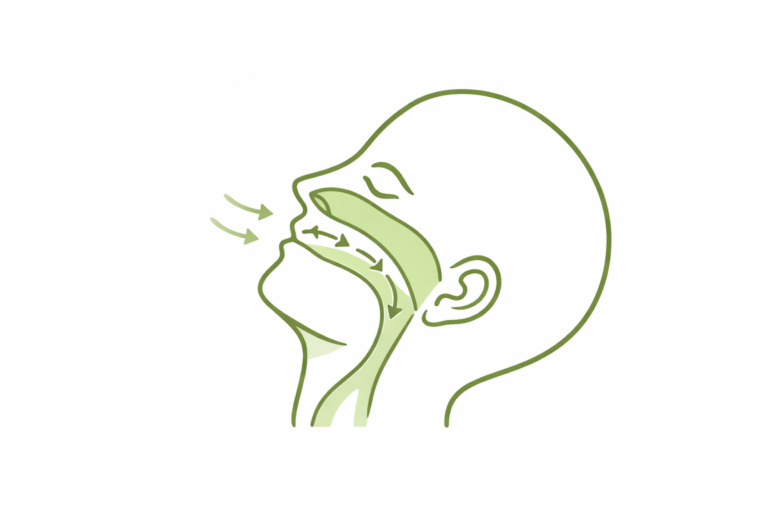
Snoring and sleep apnoea support
Ear symptoms related to TMJ
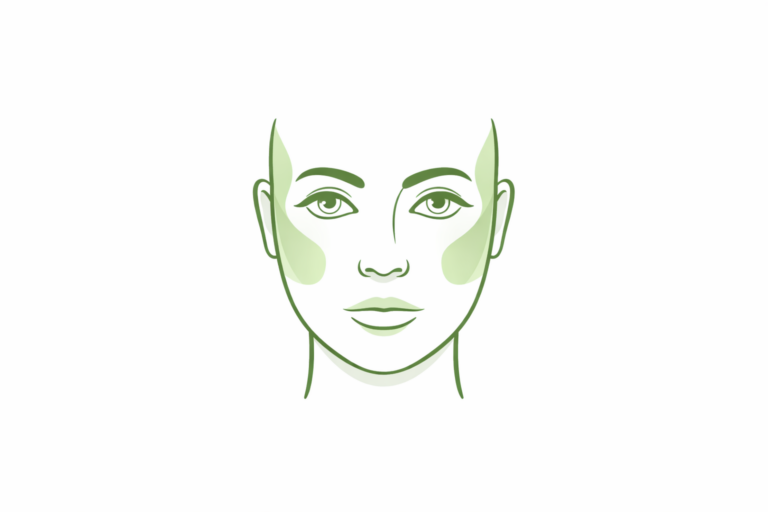
Facial pain and tightness
Clenching and grinding (bruxism)
Headaches and TMD
Chronic jaw, face and neck pain
Jaw clicking, locking and restricted opening
TMJ disorders and jaw pain

Patient Education

Understanding Temporomandibular symptoms

Symptoms affecting the jaw, face, and neck are commonly associated with conditions involving the temporomandibular joints and surrounding muscles. These conditions are often grouped under the term temporomandibular disorders (TMD). Because these symptoms can overlap with other head and neck conditions, assessment helps clarify which factors may be contributing.
Our patient guides explore topics such as jaw pain, teeth grinding, headaches, sleep-related jaw activity, and the role of the jaw joints in head and neck function.