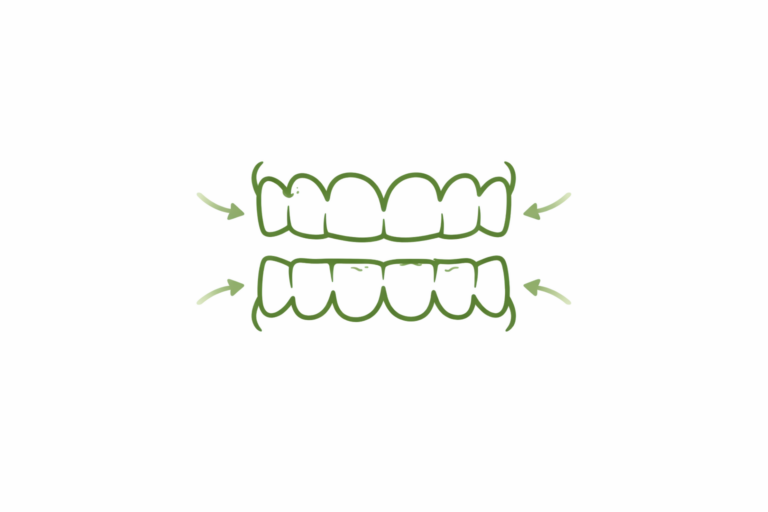
People describe chronic jaw or facial pain in different ways. For some it feels like a persistent ache. For others the discomfort appears as sharp pain, pressure, or muscle fatigue.
Some people notice symptoms mainly when using the jaw. Others experience discomfort even when the jaw is resting. The location of pain does not always reflect where the underlying strain or irritation is occurring.
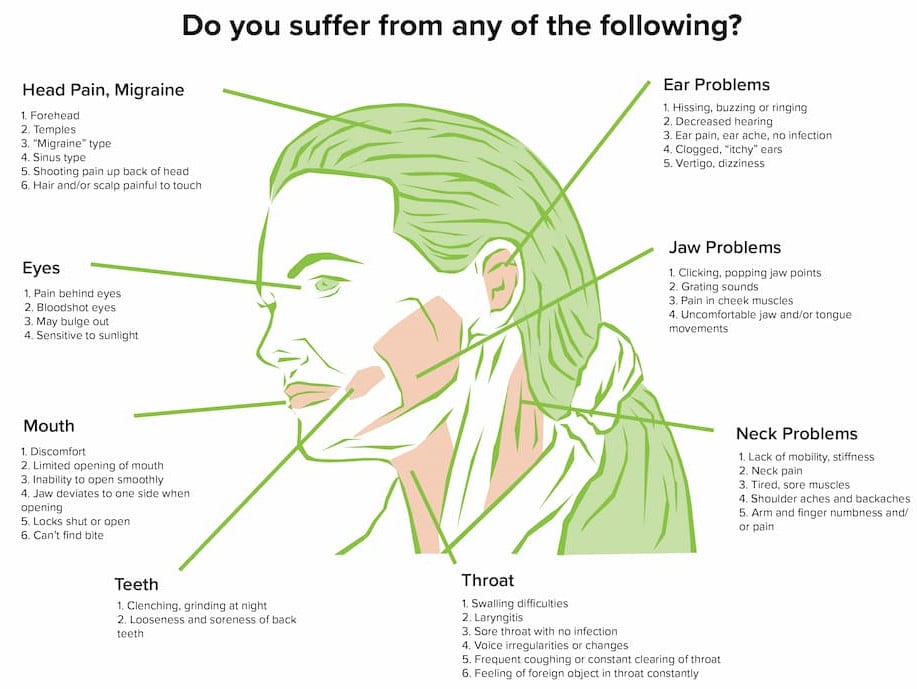
Many people experiencing chronic jaw or facial pain notice other symptoms developing at the same time. Because the jaw joints, muscles, and nerves work as a connected system, changes in one area can influence nearby structures.
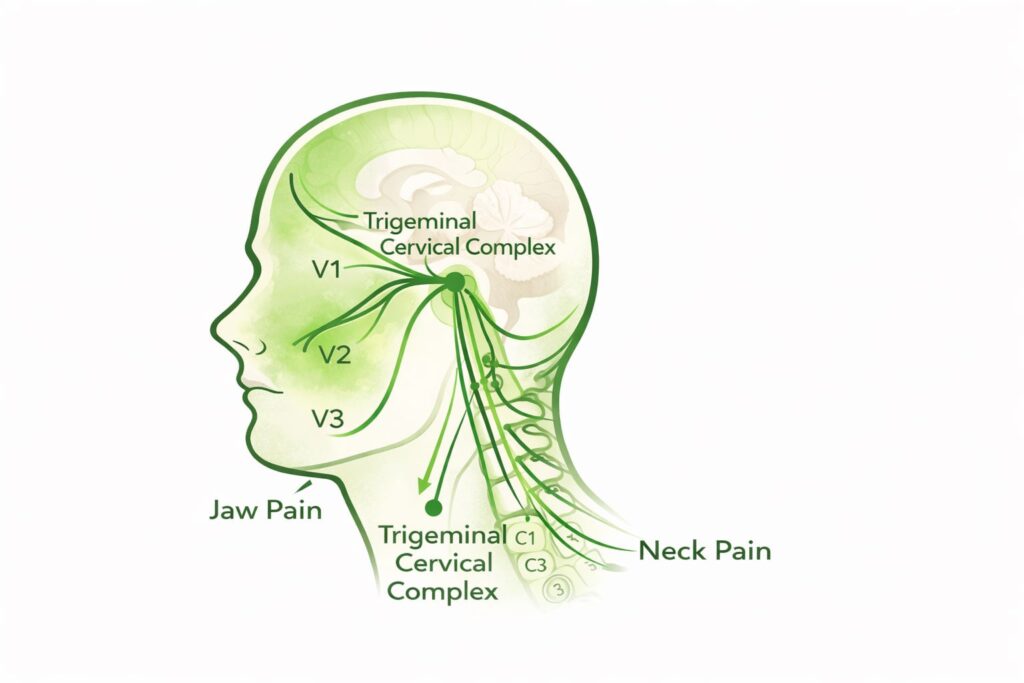
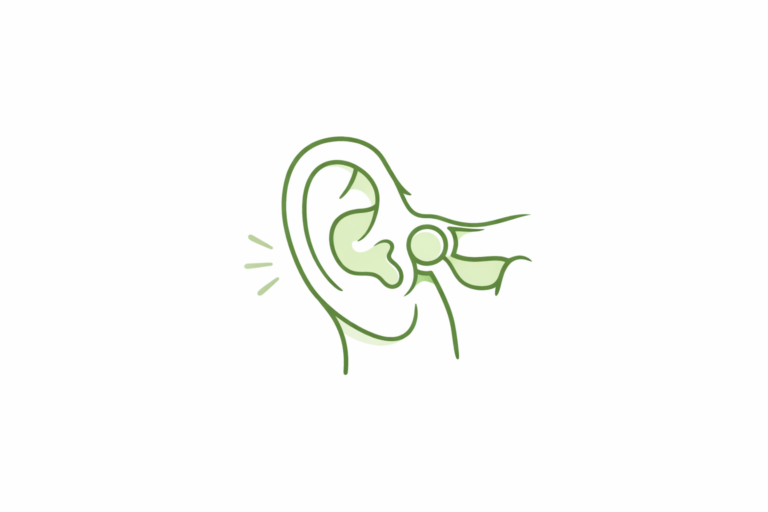
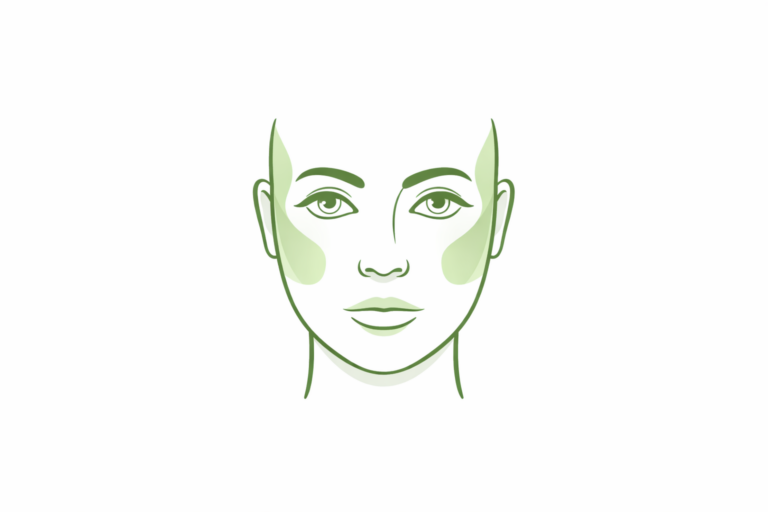
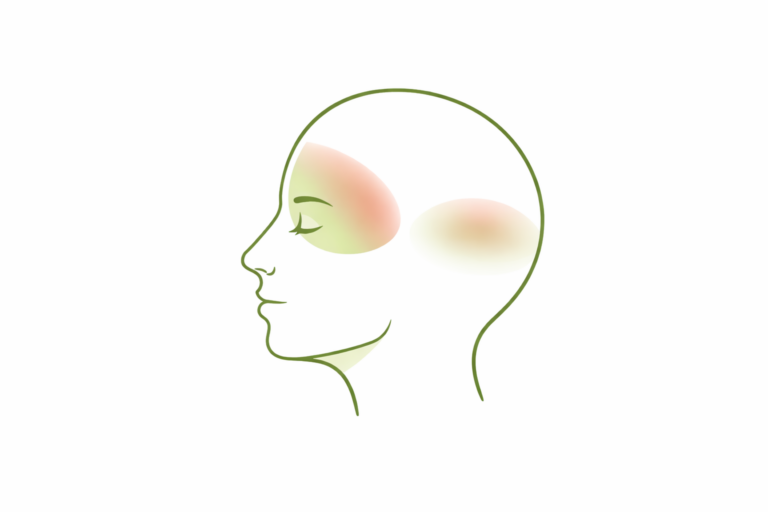
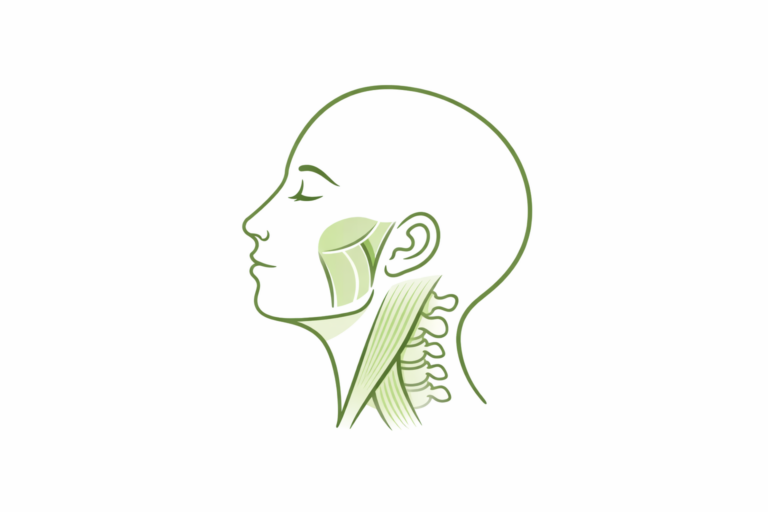
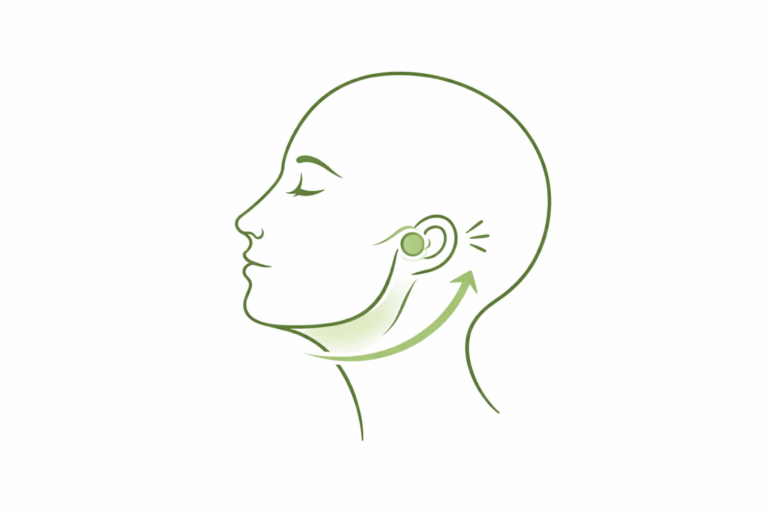
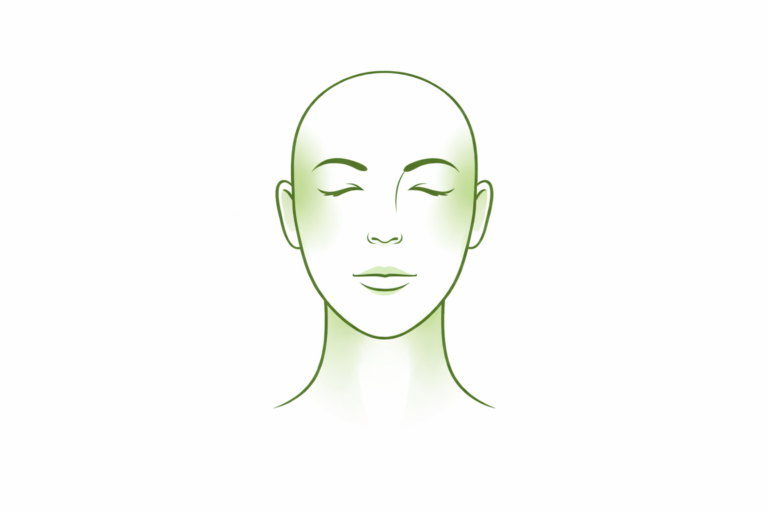
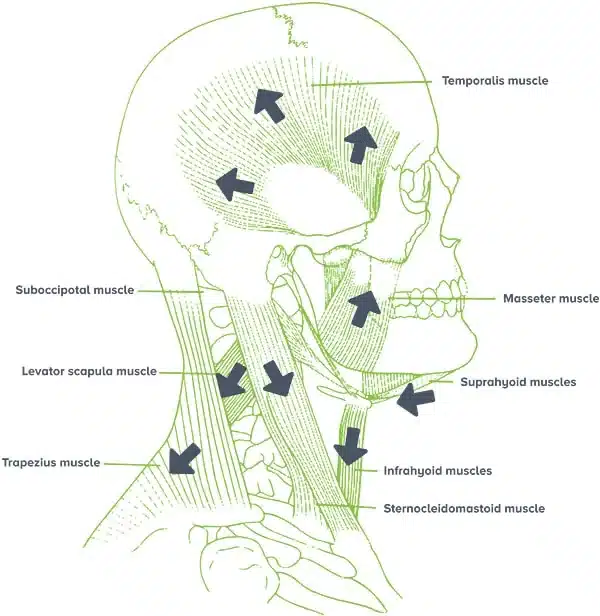
Jaw-related pain is not always felt only in the jaw. Some people also notice pain in the temples, face, ears, or neck.
This is partly due to shared nerve pathways between the jaw and upper neck, sometimes referred to as the trigeminal cervical complex. Because these areas are closely connected, pain can sometimes be felt away from its original source. This is known as referred pain.
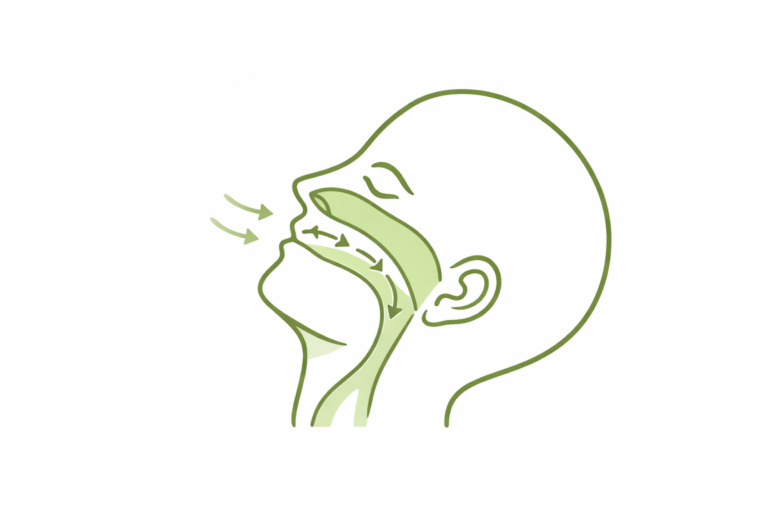
It also helps explain why TMJ symptoms are often influenced by more than joint mechanics alone. Muscle tension, neck function, posture, breathing, and sleep can all play a role.
Jaw-related symptoms rarely remain exactly the same. Many patients describe periods where symptoms improve, followed by times when discomfort becomes more noticeable again. This fluctuation can feel frustrating, particularly when symptoms seem to return without a clear reason.
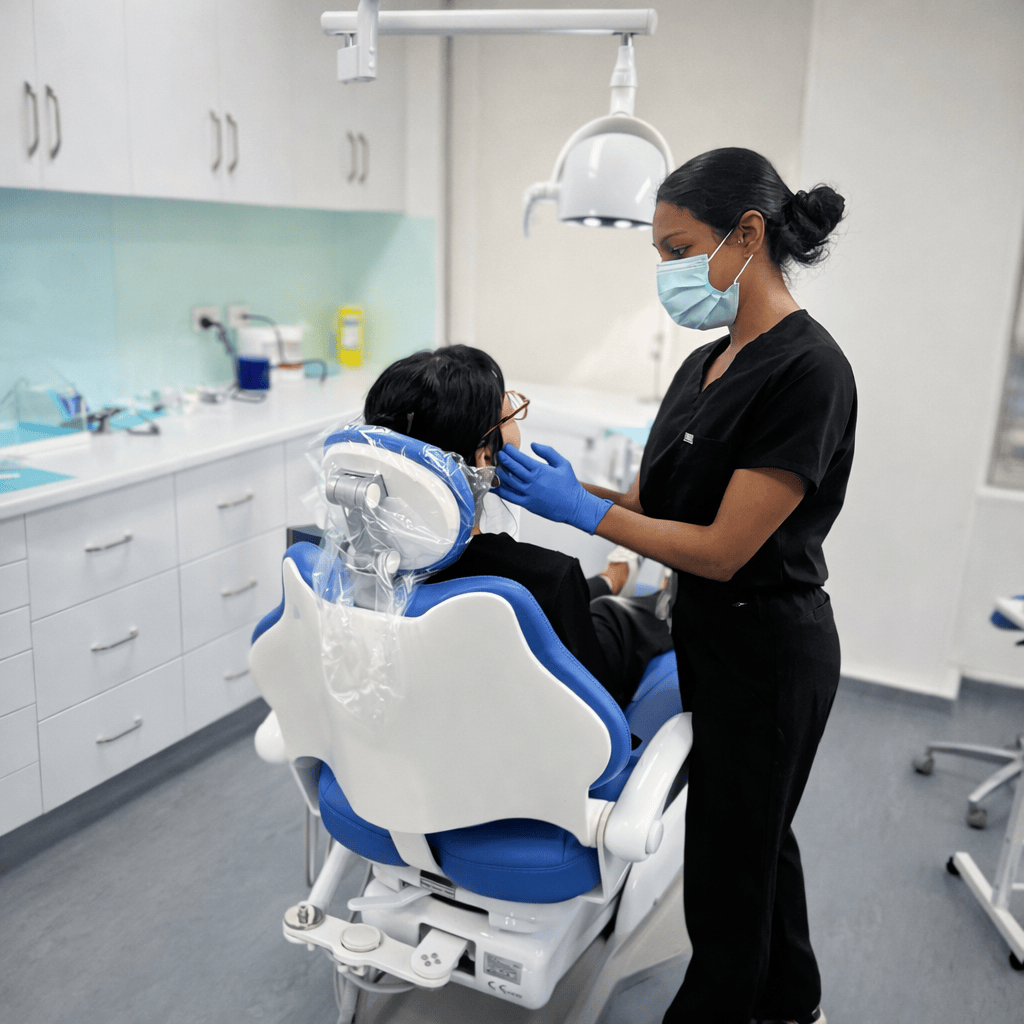
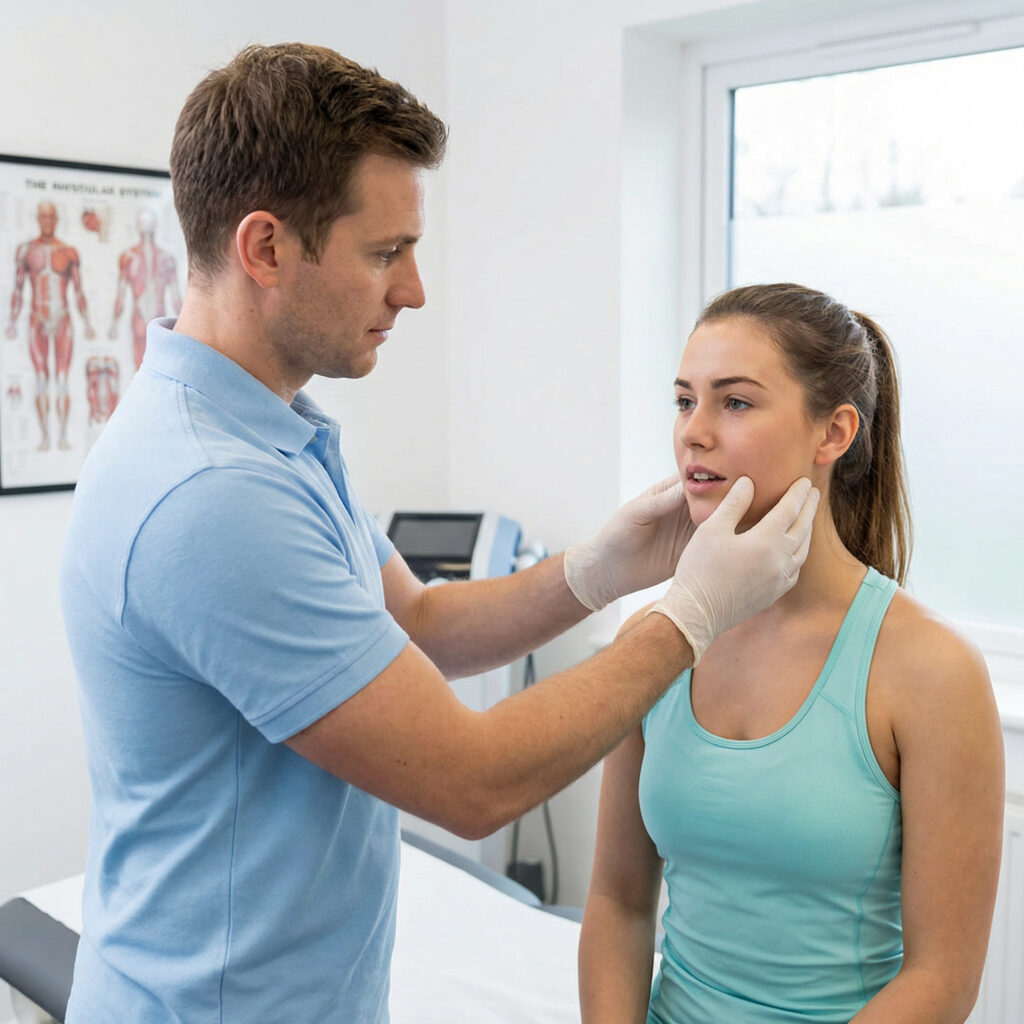
Assessment focuses on understanding how the jaw joints, muscles, and surrounding structures are functioning, and what factors may be contributing to symptoms. The aim is not simply to label a symptom, but to identify patterns that may be affecting the jaw system and influencing pain or dysfunction. Many patients seek assessment after trying other treatments without lasting improvement.
Together, these findings help build a clearer picture of how the jaw system is functioning and which treatment approaches may be most appropriate.
Management of jaw-related symptoms is guided by the findings of assessment rather than the symptom name alone. Care plans are personalised and focus on addressing the factors that may be contributing to joint or muscle strain.
Care plans are typically introduced in stages and reviewed over time as symptoms and jaw function change.
TMJ symptoms rarely come from the jaw alone. They can involve joint mechanics, muscle tension, bite function, posture, breathing, and sleep. At TMJ Centre Melbourne, care begins with understanding why symptoms are occurring. Treatment decisions follow diagnosis, not symptom labels. Care plans are personalised and often combine approaches, with progress reviewed and adjusted over time.
Jaw pain is often accompanied by other symptoms involving the jaw joints, muscles, head, and neck.